

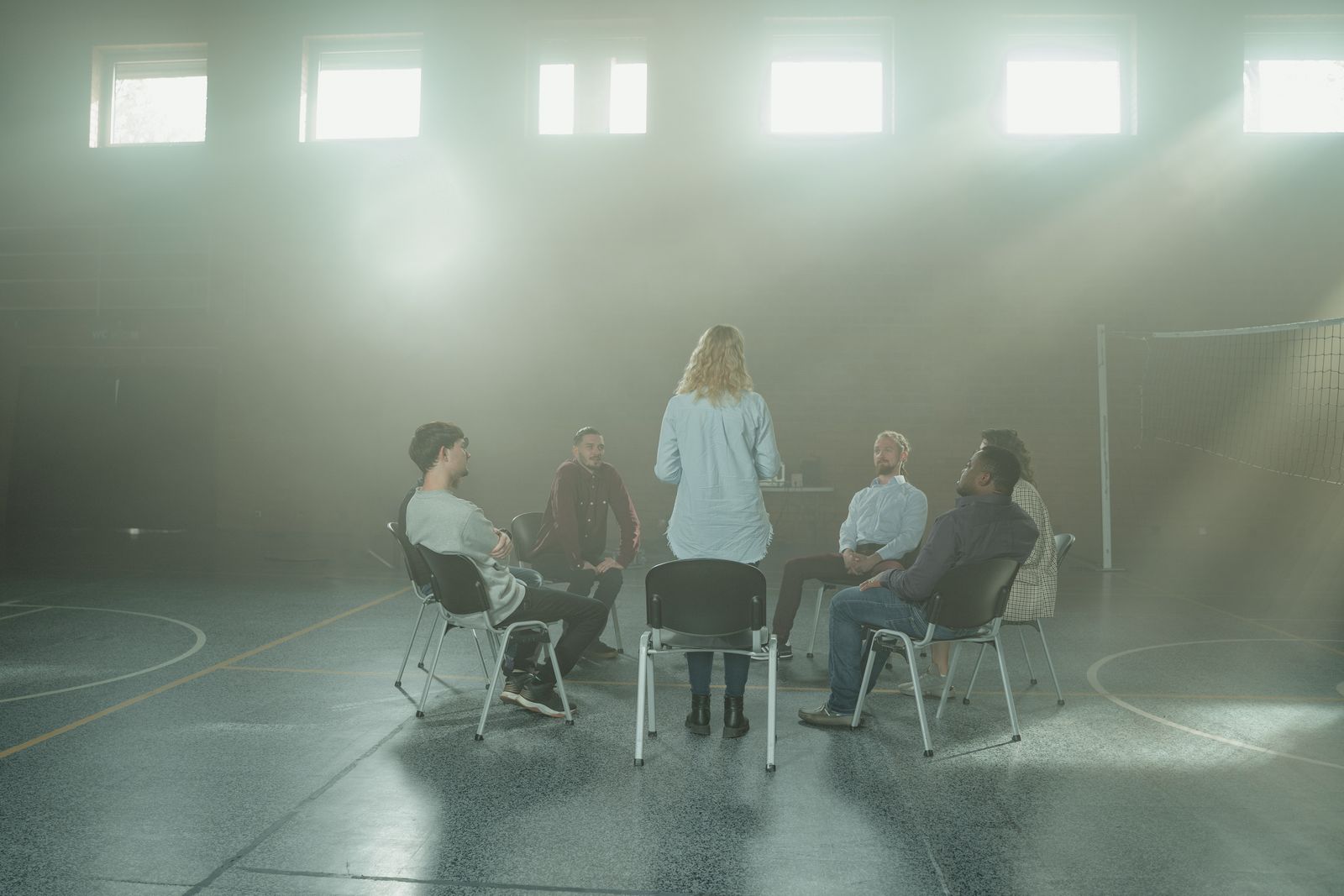
When addiction enters a family, it does not enter an empty room.
It enters a system of people with their own histories, relationships, beliefs, experiences, strengths, and ways of coping.
It enters families with years of shared memories.
It enters relationships with established patterns of communication.
It enters homes where people have already learned, often from a very young age, how to respond when life feels uncertain, unsafe, or overwhelming.
And then addiction arrives.
Suddenly, the strategies people have relied on to create stability may no longer be enough.
The person who has always been the problem-solver finds themselves trying to solve something they cannot control.
The person who has always kept the peace finds themselves exhausted from managing conflict.
The person who has always cared for everyone else begins wondering when there will be space for them.
And many family members become incredibly skilled at something they never wanted to master:
living in a state of constant readiness.
They know the sound of a car pulling into the driveway.
They know the difference between a normal text message and a concerning one.
They know exactly how long someone can disappear before their mind starts creating every possible worst-case scenario.
Many families joke that they have earned an advanced degree in crisis management.
Unfortunately, it’s a degree nobody wants, and there is no graduation ceremony. Behind the humour, however, is a serious reality:
Addiction changes families.
Not because families have failed.
Not because they caused the addiction.
Because humans adapt to what they experience.
And addiction is an experience that affects everyone who loves the person struggling.
The Myth That Recovery Belongs to One Person
When we talk about addiction, our attention naturally focuses on the person using substances.
We ask:
“How do we get them help?”
“How do we convince them to stop?”
“What treatment will work?”
These are important questions.
The person struggling with addiction deserves compassion, effective treatment, and meaningful support. But when recovery is viewed only through the lens of the individual, we often overlook another important reality:
Families need recovery too.
Family members experience their own losses. They may lose trust. They may lose sleep. They may lose a sense of safety. They may lose the ability to relax because their nervous system has learned to remain on alert. They may lose parts of themselves as their lives become increasingly organized around managing addiction.
Many family members quietly ask:
“Why am I struggling so much when I am not the one with the addiction?”
The answer is: Because addiction impacts the entire system.
Addiction may begin with one person, but its impact extends throughout the family system.
Recovery should too.
Families Do Not Enter Addiction as Blank Slates
One of the most important things to understand about family responses is that people do not begin these experiences without a history.
Every person brings their own story into moments of crisis.
We bring the relationships we experienced.
The beliefs we learned.
The messages we received about responsibility, love, conflict, and safety.
The ways we learned to cope when things felt difficult.
For some people, addiction activates survival responses that developed long before addiction entered the home.
Someone who learned early in life that love meant taking care of others may struggle to recognize when support has become self-sacrifice.
Someone who learned to avoid conflict may find themselves minimizing problems or staying silent.
Someone who learned that being needed created connection may find it difficult to step back.
Understanding this does not mean blaming families for addiction.
It does not mean a family’s history caused another person’s substance use disorder.
It means that our responses to overwhelming circumstances often have a history.
And understanding that history creates the possibility for choice.
Families Adapt Because They Are Trying to Survive
Families are designed to adapt.
This is one of our greatest human strengths.
When we experience uncertainty or threat, we naturally look for ways to restore safety.
A parent may begin checking in repeatedly because they are afraid something terrible will happen.
A partner may take over responsibilities because things are no longer getting done.
A sibling may become the mediator because conflict feels unbearable.
A family member may hide the reality of what is happening because they fear judgment or shame.
These responses often come from love.
They come from fear.
They come from a desire to protect.
They develop because people are trying to survive circumstances they never imagined facing.
Families do not adapt because they do not care.
They adapt because they do.
When Survival Becomes the Only Way of Living
The challenge is that survival strategies, while often helpful in the short term, can become exhausting when they become the primary way a family functions.
Constant monitoring may temporarily reduce anxiety, but it can also keep someone trapped in a state of hypervigilance.
Taking responsibility for another person’s choices may temporarily prevent crisis, but it can also leave family members disconnected from their own needs.
Avoiding difficult conversations may temporarily create peace, but it can allow fear and resentment to grow.
These patterns are understandable.
They make sense when viewed through the lens of survival.
But understanding why a pattern developed does not mean the pattern must continue forever.
This is where family recovery begins.
Not with blame.
Not with shame.
With awareness.
The Shift From Control to Recovery
For many families, the beginning of recovery involves a difficult but necessary shift:
Moving from trying to control another person’s choices toward understanding their own.
This is one of the hardest transitions families face.
Because when someone we love is struggling, our instinct is often to do more.
More checking.
More reminding.
More explaining.
More rescuing.
More trying.
The desire to help comes from love.
But love alone cannot control another person’s recovery.
Family recovery begins with a different question:
Instead of asking:
“How do I make them change?”
We begin asking:
“What is mine to change?”
This is not about caring less.
It is about learning a healthier way to care.
It is about recognizing:
- what belongs to us,
- what belongs to someone else,
- where we have influence,
- where we need boundaries,
- and how we can begin healing regardless of another person’s choices.
Recovery Is for Families Too
Family recovery does not mean abandoning someone you love.
It does not mean becoming indifferent.
It does not mean giving up hope.
It means recognizing that your life matters too.
Your wellbeing matters.
Your relationships matter.
Your future matters.
Recovery is not something families have to wait for until someone else changes.
It can begin the moment a family member recognizes:
“I cannot control their choices, but I can begin changing how I live in response to them.”
That is not selfish.
That is not a lack of love.
That is the beginning of healing.
Take Away
Addiction doesn’t only affect the person using substances. It changes the entire family system. Over time, families naturally adapt in an effort to create safety and stability. Those adaptations make sense—but they don’t have to become the only way we live.
Reflection
How has loving someone with addiction changed the way I live my own life?
Not because I want you to dwell on what’s been lost, but because awareness is where recovery begins.
Weekly Recovery Practice
This week, notice one moment when you feel the urge to take responsibility for something that isn’t yours to carry.
No judgement.
Nothing to change immediately.
Simply notice it.
Awareness is the first step toward change.
Until next week,
Be gentle with yourself. The ways you’ve learned to survive deserve understanding, and your capacity to heal deserves just as much attention.
Remember, recovery isn’t about waiting for someone else to change. It’s about discovering what is possible when you begin changing the way you respond.
Recovery belongs to families too.